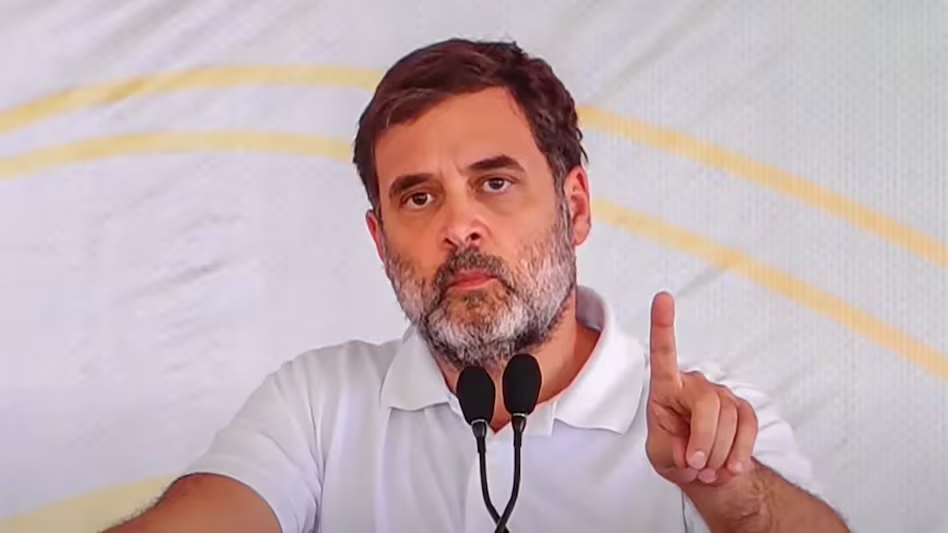
Rahul Gandhi is a prominent figure in Indian politics. As the Vice President of the Indian National Congress (INC) and a Member of Parliament, he plays a key role in shaping the country’s political landscape. This article will explore his life, career, and contributions to Indian society.
EARLY LIFE AND EDUCATION
Rahul Gandhi was born on June 19, 1970, in New Delhi. He comes from a well-known political family. His father, Rajiv Gandhi, and grandmother, Indira Gandhi, served as Prime Ministers of India. Here are some key points about his early life:
- Family Background: Rahul Gandhi belongs to the Nehru-Gandhi family, a leading political dynasty in India.
- Education: He studied at Harvard University and the University of Cambridge. His education helped him gain insights into global issues.
- Influences: Growing up in a political environment inspired him to engage in public service.
POLITICAL CAREER
Rahul Gandhi entered politics in 2004. He contested his first election from Amethi, Uttar Pradesh, and won. His political journey has seen various ups and downs. Here are some highlights:
- Youth Leadership: He focused on youth issues and aimed to connect with younger voters.
- Role in Congress: In 2013, he became the Vice President of the INC. He worked to rejuvenate the party and promote its values.
- 2019 General Elections: He led the INC in the general elections but faced significant challenges.
KEY INITIATIVES
Rahul Gandhi has launched several initiatives during his political career. Some of them include:
- Right to Information: He supports transparency in governance.
- Women Empowerment: He advocates for women’s rights and safety.
- Economic Reforms: He emphasizes the need for economic growth and job creation.
CONTROVERSIES AND CHALLENGES
Like any public figure, Rahul Gandhi has faced controversies. Some of the challenges he encountered include:
- Election Defeats: His leadership faced criticism after the INC’s poor election performance.
- Public Perception: Critics often label him inexperienced or disconnected from grassroots issues.
- Social Media Presence: He has faced scrutiny over his communication style and effectiveness on social media.
STRATEGIES FOR IMPROVEMENT
To strengthen his position, Rahul Gandhi has adopted various strategies:
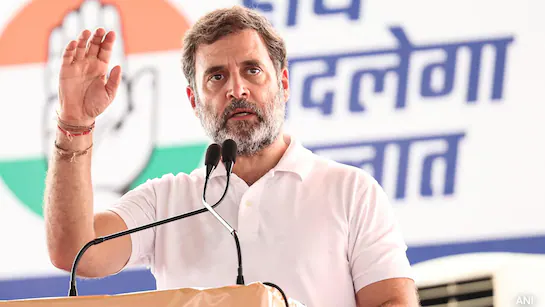
- Engaging with Voters: He conducts rallies and meets with citizens to understand their concerns better.
- Strengthening the Party: He focuses on building a strong organizational structure within the INC.
- Emphasizing Unity: He aims to unite various factions within the party to present a united front.
RAISING AWARENESS ON KEY ISSUES
Rahul Gandhi has consistently raised awareness of critical issues affecting India. These include:
- Farmers’ Rights: He often discusses farmers’ struggles and advocates for fair policies.
- Education and Health: He promotes initiatives for better education and healthcare systems.
- Corruption: He highlights corruption in politics and advocates for accountability.
CONCLUSION
Rahul Gandhi remains a significant player in Indian politics. His journey reflects the complexities of leadership in a diverse country. While he faces challenges, his commitment to public service and social justice continues to inspire many. As he evolves as a leader, his impact on Indian politics will be closely watched.
In summary, Rahul Gandhi’s life is a blend of heritage, challenges, and contributions. His focus on youth, women’s empowerment, and social issues shapes his political narrative. Through his efforts, he aims to create a better future for India.