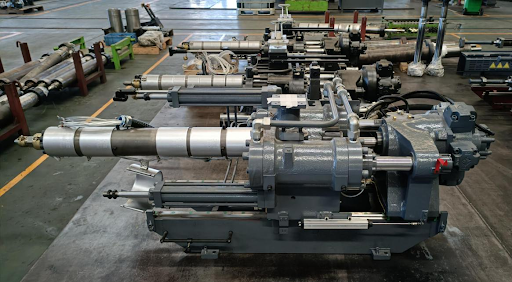
The injection unit is the heart of any injection molding machine and is responsible for melting and injecting plastic into the mold. Common problems include inconsistent melting, leaks, clogged nozzles, and screw or barrel wear. These problems often manifest as poor product quality, unusual noises, or pressure fluctuations. It is critical to diagnose the exact problem before attempting repairs. For example, black spots in a molded part may indicate material degradation in the barrel, while uneven shots indicate screw wear. Topstar technicians recommend performing a thorough visual inspection and checking machine performance data to pinpoint the injection unit failure.
Basic Safety Precautions Before Servicing an Injection Molding Machine
Safety should always be a top priority when operating an injection molding machine’s injection unit. First, lock out and tag the power source (LOTO) to prevent accidental startup. Allow ample time for the barrel to cool – temperatures may exceed 400°F (204°C). Wear heat-resistant gloves, safety glasses, and appropriate PPE when handling hot parts. For hydraulic systems, all pressure is released before disassembly. Topstar’s maintenance protocol emphasizes checking the barrel for material residue that can release toxic fumes when heated. Always keep a fire extinguisher nearby when working on an injection molding unit, as accumulated plastic dust can be flammable. These precautions protect technicians and equipment during maintenance.
A Step-by-Step Guide to Cleaning an Injection Molding Machine Barrel
Barrel blockage is one of the most common problems with injection molding units on injection molding machines. Start by cleaning the barrel with an appropriate cleaner or resin. For stubborn deposits, mechanical cleaning may be necessary – first, remove the nozzle, then the screw. Use a brass brush and non-abrasive tools to avoid damaging the inner surface of the barrel. Topstar’s cleaning procedures recommend manually rotating the screw to access all threads while cleaning. Pay special attention to the stop ring area where material often accumulates. After cleaning, inspect the barrel for scratches or wear – a flashlight and mirror can help examine hard-to-see areas. Finally, lubricate the screw before reassembly to prevent material from sticking during the next production run.
Diagnosing and replacing a worn screw
The screw is the workhorse of an injection molding machine’s injection unit, and wear can severely affect performance. Measure multiple points on the screw’s diameter — wear greater than 0.1 mm typically requires replacement. Check the screw fins for roundness and cracks or deformation in the drive section. Topstar engineers recommend checking the check ring separately, as its failure can lead to backflow and inconsistent injection. When replacing a screw, match the original specifications for L/D ratio, compression ratio, and material compatibility. For abrasive materials such as glass-filled resins, consider using a hardened steel screw for longer life. When wear exceeds tolerance, always replace a matching barrel and screw; mismatched components accelerate wear and reduce melting efficiency.
Troubleshooting nozzle and heating issues
Nozzle issues in an injection molding machine’s injection unit typically result in drooling, stringing, or cold material. Start by checking nozzle temperature consistency with an infrared thermometer; variations more significant than 5°C indicate a problem with the heating tape or thermocouple. Check the nozzle tip for wear or corrosion, which can affect sealing. Topstar’s troubleshooting guide recommends inspecting heating bands for cracks or loose connections and replacing any that show discoloration or hot spots. Verify that pneumatic or hydraulic components function correctly for machines with valve gates. When reinstalling nozzles, use the proper torque specifications and always align the nozzle tip perfectly with the mold gate bushing to prevent material leaks and wear.
Rebuilding the Injection Unit’s Hydraulic System
Hydraulic problems in an injection molding machine’s unit typically manifest as slow injection speed or pressure loss. Start by checking the hydraulic oil level, quality, and filter condition; contaminated oil causes 75% of hydraulic failures. Check the injection cylinder for leaks and the piston rod for nicks. Topstar maintenance procedures include testing the pressure relief and servo valves for proper operation. When replacing hydraulic hoses, use the correct pressure rating and secure all fittings to manufacturer specifications. For electric injection units, check the servo motor brushes and encoder connections. After any hydraulic repair, bleed the system thoroughly to eliminate air that could cause spongy injection performance. Regular oil analysis can predict problems before they cause downtime.
Extend Uptime with Proper Injection Unit Maintenance
Maintaining an injection molding machine injection unit requires methodical troubleshooting and attention to detail. Manufacturers can significantly reduce unplanned downtime by understanding common failure points, following safety protocols, and implementing preventive maintenance. Topstar’s experience shows that adequately maintained injection units can last 30-50% longer between significant overhauls. Remember, minor problems often lead to costly repairs if ignored. Addressing minor leaks or wear early will maintain equipment and product quality.
Also, read about blogmagazines