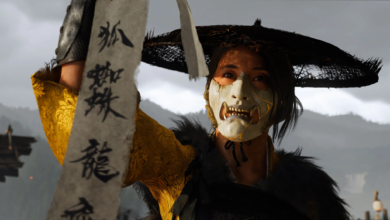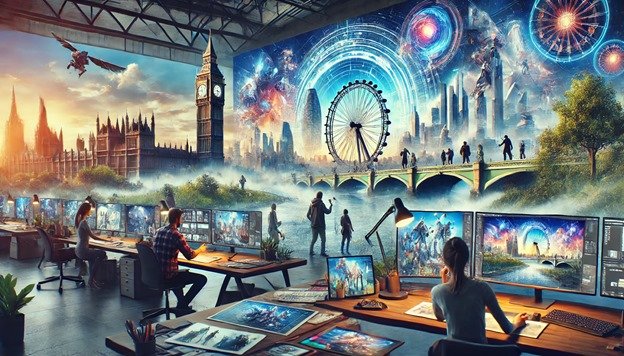
In the world of video game development, concept art is where the journey truly begins. Before a single line of code is written or a character is rigged, it’s the artwork—the raw visual ideas—that sets the tone and direction for the entire project. For many game studios in London, especially those striving to compete on a global scale, game concept art services are not just a creative necessity but a strategic investment during the pre-production phase.
Let’s explore why concept art plays such a crucial role in the early stages of game development and how it drives better planning, communication, and innovation across teams.
Defining the Visual Language Early
The pre-production phase is all about answering the “what” and “how” of game development. What will the world look like? Who are the characters? How should the environments feel to the player? Concept art provides the first answers to these questions in a tangible, visual form.
Game studios in London, known for their diverse range of genres—from narrative-heavy indies to stylized action titles—use concept art to set a unified visual tone early on. This is especially important in a city like London, where studios often collaborate with international publishers and art outsourcing agencies. With strong concept visuals, communication between stakeholders becomes clearer and decisions faster.
Guiding Game Design and Development Decisions
Concept art is more than just a pretty sketch—it guides critical decisions around gameplay mechanics, level design, and narrative structure. For instance, a dystopian cityscape concept might inform the game’s stealth mechanics, while an expansive desert landscape could shape how traversal and exploration work.
By investing in game concept art services, London-based studios are able to iterate visually before investing technical resources. This helps avoid costly rework later in production and aligns creative vision across departments such as art, design, and engineering.
Building Investor and Publisher Confidence
Many game studios in London pitch to publishers or investors during the early stages of development. Having professionally crafted concept art can mean the difference between a green-lit project and one that stalls in negotiation.
Publishers are visual decision-makers. They want to see potential—and nothing sells the vision of a game like compelling, well-crafted concept art. It creates emotional engagement and helps stakeholders visualize the game’s marketability, target audience, and artistic appeal.
Creating a Shared Creative Foundation
Concept art serves as the creative “north star” for the rest of the development team. Whether it’s a mood board, character turnarounds, or environmental layouts, these visuals ensure that everyone—from 3D artists and animators to level designers and UI teams—is working from the same stylistic and thematic blueprint.
In highly collaborative environments, especially in mid to large-scale game studios in London, this shared visual reference reduces confusion, increases productivity, and supports creative consistency throughout the pipeline.
Supporting Marketing and Early Promotion
Beyond internal use, concept art plays a significant role in marketing. Teasers, trailers, social media campaigns, and even crowdfunding pitches often rely on concept artwork long before gameplay is ready to show.
Many studios offering game concept art services understand this dual purpose—designing assets that are both production-ready and promotional. This allows studios to build excitement, gain early followers, and generate pre-launch buzz while the game is still in development.
Adapting to Different Styles and Genres
One of the strengths of London’s game development scene is its versatility. From stylized indie games to photo-realistic VR experiences, studios work across genres and visual styles. Concept artists must be equally adaptable.
By working with specialized game concept art services, studios in London get access to artists who can tailor their approach—whether it’s sketching gothic environments, designing futuristic weapons, or exploring fantasy creature designs. This flexibility in the pre-production stage allows creative risks without technical constraints.
Conclusion
In the competitive and fast-paced game industry, especially in a creative hub like London, starting strong is everything. For game studios in London, game concept art services lay the foundation for innovation, alignment, and long-term success. From defining the game’s visual identity to supporting development decisions and marketing strategies, concept art is the glue that holds pre-production together.
Whether you’re an indie team preparing your first pitch or an established studio planning your next big release, investing in professional concept art at the pre-production stage is not just wise—it’s essential.