The Showroom Has Evolved — And It’s Driving Change
Trade shows aren’t just glossy venues filled with flashy cars anymore. They’ve become platforms where the future of mobility takes center stage. From electric concept cars to AI-powered driving assistants, automotive trade show exhibits have evolved into immersive experiences that do more than display — they inspire, educate, and accelerate innovation.
Let’s take a closer look at how these exhibits are pushing the industry forward and changing the way we think about transportation.
Reimagining the Car: Where Concepts Become Reality
Showcasing Electric Innovation
At trade shows like CES, IAA Mobility, and Auto Shanghai, manufacturers aren’t just showing what they’ve built — they’re showing what they’re dreaming. Visitors can witness electric vehicles (EVs) that go from 0 to 60 in record time or charge in just minutes. Trade show exhibits provide the first public reveal of these vehicles, giving audiences a preview of tech that often hits the road just a few years later.
Concept Cars Spark the Imagination
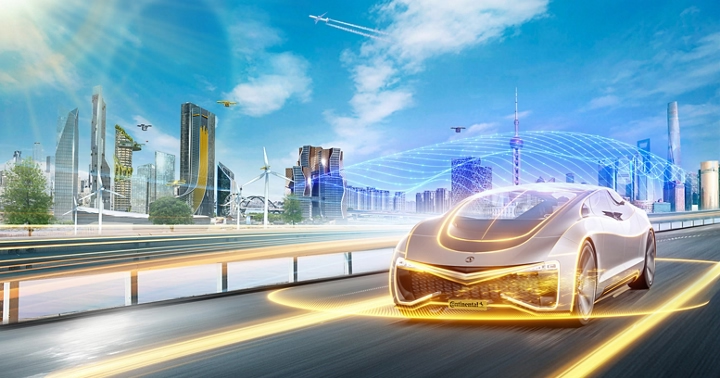
Concept cars are staples at automotive trade shows. These futuristic models serve as visual predictions for what might be coming next — whether it’s self-driving pods, solar-powered sedans, or shape-shifting interiors. These exhibits aren’t built for mass production (yet), but they offer a glimpse of what’s possible when design meets daring vision.
An Experience-First Approach to Automotive Branding
Interactive Displays Make an Impact
Modern Custom trade show booths rely on interactive screens, augmented reality (AR), and virtual test drives to engage attendees. Imagine stepping into a booth and virtually “driving” a prototype through a digital city. That’s not just cool — it builds emotional engagement and drives memorability. These immersive elements help brands like BMW, Tesla, and Hyundai connect with a tech-savvy audience.
Building Trust Through Transparency
Trade show booths now highlight sustainability, safety, and smart features, often with cutaway models and live demos. For instance, Toyota and Volvo often showcase their electric vehicle components, AI systems, and crash-avoidance features in real time. Visitors can ask engineers questions, watch live coding, or see how autonomous sensors “see” the road — building trust through direct experience.
Pushing the Mobility Conversation Forward
Urban Mobility and Micro Mobility on Display
Exhibits aren’t just about cars anymore. Electric bikes, scooters, and microcars are becoming mainstays at automotive trade shows. Cities around the world are looking for ways to reduce congestion and emissions. These exhibits demonstrate how urban travel can be reimagined with smaller, smarter transport options.
The Ecosystem Beyond the Vehicle
Automotive exhibits are increasingly featuring charging solutions, smart infrastructure, and software ecosystems. It’s not just about vehicles — it’s about the environment that supports them. Brands like ABB, Bosch, and ChargePoint use these platforms to show how their technologies integrate with electric fleets, homes, and cities.
Collaboration and Competition Under One Roof
Partnerships Are Forged on the Exhibit Floor
Trade show exhibits serve as breeding grounds for collaboration between automakers, tech giants, and startups. Companies often announce partnerships right from the stage — whether it’s an automaker teaming up with a battery innovator or a software company joining forces with a sensor developer.
Competitive Edge Through Exhibit Presence
The size, design, and buzz around a booth often say as much about a brand as the cars inside it. A powerful trade show presence can signal to investors and customers that a brand is serious about the future. Lucid Motors, for example, gained enormous attention and credibility through early trade show debuts long before delivering their first vehicles.
Why Trade Show Exhibits Still Matter in the Digital Age
Real-World Experience Still Wins
While online launches and digital showrooms have grown, nothing replaces the tactile, sensory experience of standing in front of a real concept car, hearing it hum, and talking to the people who built it. Automotive trade show exhibits give consumers and industry professionals a hands-on preview of technology that shapes tomorrow.
Media and Influencer Buzz
These events also serve as media magnets. Journalists, YouTubers, and influencers flood social media with images and impressions. A well-executed exhibit can generate millions of views, setting the tone for a brand’s public image for months.
Conclusion: Driving the Future, One Exhibit at a Time
Trade show exhibits are no longer just displays of product — they’re demonstrations of direction. They show where the industry is headed, what customers can expect, and how innovation continues to break boundaries. In a world where mobility is being redefined by electrification, autonomy, and sustainability, automotive trade show exhibits are fueling that transformation — one visionary showcase at a time.