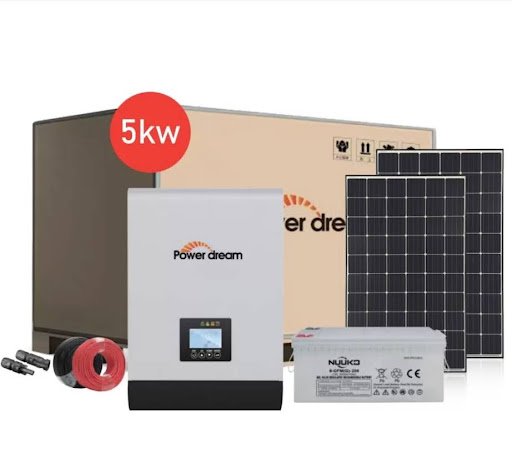
As countries worldwide move toward more sustainable energy solutions, off grid solar power system have become a key factor in reducing carbon footprints and promoting environmental sustainability. These systems operate independently of the primary power grid and offer an alternative to traditional energy sources by harnessing the sun’s energy in areas with insufficient energy services or limited centralized power infrastructure. In this article, we will explore the environmental impacts of off-grid solar power systems and analyze their sustainability advantages.
Off grid Solar Power System: A Cleaner Alternative to Traditional Energy
Off grid solar power systems are inherently more sustainable than traditional fossil fuel energy sources. Fossil fuels such as coal, oil, and natural gas are major drivers of climate change because they produce greenhouse gas emissions and cause environmental damage during extraction. In contrast, solar energy is a renewable resource that produces electricity without emitting harmful pollutants. Off-grid solar power systems capture sunlight through photovoltaic (PV) panels and convert it into usable electricity, producing no emissions. These systems are particularly beneficial in rural or remote areas that lack traditional energy infrastructure. Off grid solar systems offer a cleaner, quieter, and more environmentally friendly solution than diesel generators that emit carbon dioxide and other harmful pollutants.
How to Reduce Carbon Emissions?
One of the most compelling reasons off grid solar power systems are considered more sustainable is their ability to significantly reduce carbon emissions. Carbon dioxide (CO2) is a major contributor to global warming, and fossil fuel electricity generation is a significant source of global CO2 emissions. Using the sun to power homes and businesses, off-grid solar systems can prevent millions of tons of CO2 from being emitted into the atmosphere. A typical off-grid solar power system can reduce CO2 emissions by 1 to 5 tons per year, depending on the system’s size and local energy usage. This reduction in carbon emissions is particularly beneficial in areas that rely heavily on diesel generators or coal-fired power plants, which are significant sources of air pollution and greenhouse gas emissions.
Off grid solar power systems and their impact on local ecosystems
Off grid solar power systems not only reduce emissions, but they can also have a positive impact on local ecosystems. Traditional energy production methods, especially coal mining and natural gas drilling, can devastate surrounding ecosystems. Mining operations can lead to habitat destruction, soil erosion, and water pollution, while fossil fuel extraction can release methane and other harmful gases into the environment. In contrast, off grid solar power systems have minimal impact on the environment. Installing solar panels requires far less land and resources than building large power plants or fossil fuel extraction sites. Solar panels are often installed on rooftops or open fields, which does not disturb local wildlife. In addition, because sunlight is an abundant renewable energy source, they do not require the extraction of limited natural resources.
Helping Energy Independence and Sustainability
One of the main sustainability benefits of off-grid solar power systems is energy independence. In many parts of the world, especially in rural and underserved areas, reliable access to the grid is very limited or even non-existent. Due to the lack of a stable power supply, communities often rely on polluting and expensive alternative energy sources such as diesel generators or wood-burning stoves to generate electricity and heat. Off grid solar power systems offer an alternative that meets energy needs and helps individuals and communities generate electricity autonomously. This autonomy reduces dependence on centralized power infrastructure and minimizes the environmental impact of long-distance energy transmission and distribution.
Durability and Low Maintenance
The environmental benefits, durability, and low maintenance requirements reflect the sustainability of off-grid solar power systems. Manufacturers design solar panels to have a service life of 25 to 30 years, with little loss of efficiency over time. Such a long service life ensures that off-grid solar power systems can continue to provide clean energy for decades without frequent replacement or repair. In addition, solar systems are virtually maintenance-free. The main maintenance work is regular cleaning and occasional inspections to ensure the solar panels are in optimal condition. Because solar panels have no moving parts, they are less prone to mechanical failure than other forms of power generation, such as wind or hydroelectric systems. Low maintenance costs further enhance the long-term sustainability of off-grid solar power systems.
Role in a Sustainable Future
Off-grid solar power systems have many environmental and sustainability benefits, making them essential to the global transition to renewable energy. From reducing carbon emissions, promoting energy independence, protecting local ecosystems, and improving electricity supply, off-grid solar systems provide a cleaner and more sustainable alternative to traditional energy sources. Their durability, low maintenance costs, and positive impact on local communities further highlight their role in achieving long-term sustainable development.
Also, read about blogmagazines