Automotive batteries are essential for starting vehicles and powering electrical systems. However, they also pose significant risks due to their chemical composition. Many people ask: Automotive batteries are an example of which hazard class? The answer lies in their hazardous materials, which include lead, sulfuric acid, and other toxic substances.
In this article, we will explore the hazard classification of automotive batteries, their dangers, safe handling practices, and disposal methods.
Hazard Classification of Automotive Batteries
automotive batteries are an example of which hazard class fall under Hazard Class 8 – Corrosive Substances according to the U.S. Department of Transportation (DOT) and the Occupational Safety and Health Administration (OSHA). Corrosive materials can cause severe damage to human tissues, metals, and other materials.
Why Are Automotive Batteries Classified as Corrosive?
- Sulfuric Acid Content – Automotive batteries contain sulfuric acid, which is highly corrosive. It can cause skin burns, eye damage, and respiratory issues.
- Lead Components – Lead is a toxic heavy metal that can harm humans and the environment.
- Risk of Chemical Reactions – If batteries leak or break, they can release harmful fumes and cause chemical burns.
- Potential for Explosions – Some batteries emit hydrogen gas, which is highly flammable and can explode in certain conditions.
Since automotive batteries contain corrosive substances, they require careful handling and proper disposal.
Dangers of Automotive Batteries
Automotive batteries pose several hazards, especially if handled improperly. The main dangers include:
1. Chemical Burns
Sulfuric acid in batteries can cause severe burns on the skin and eyes. Even a small spill can lead to painful injuries.
2. Toxic Exposure
Lead exposure can cause serious health issues, including nerve damage, kidney problems, and developmental issues in children.
3. Fire and Explosion Risk
When batteries charge, they release hydrogen gas. If exposed to heat or sparks, this gas can ignite and cause explosions.
4. Environmental Pollution
Improper disposal of automotive batteries can lead to soil and water contamination. Lead and acid can seep into the ground, harming wildlife and ecosystems.
Safe Handling of Automotive Batteries
To prevent accidents and injuries, follow these safety measures when handling automotive batteries:
1. Wear Protective Gear
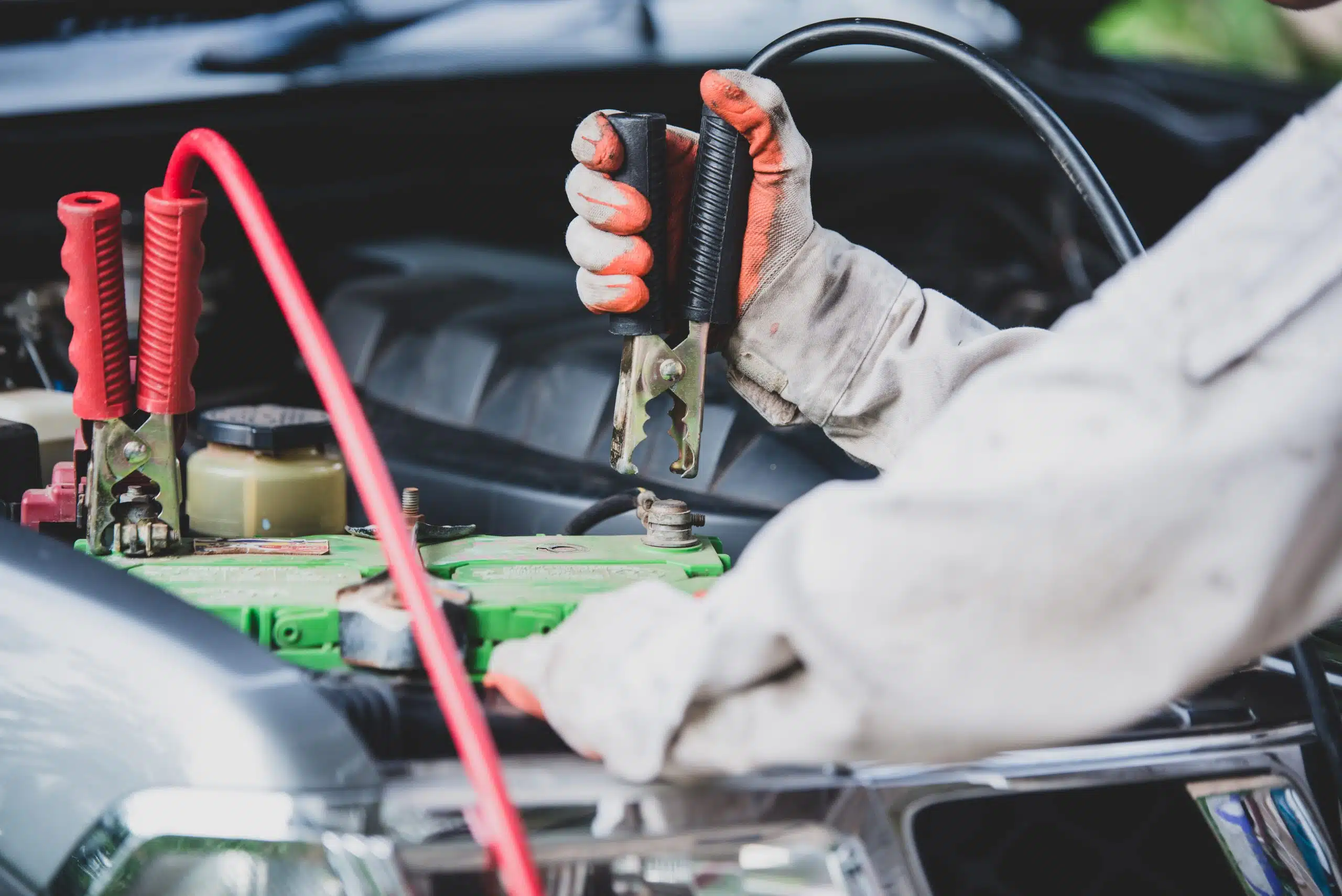
Always wear gloves, safety goggles, and protective clothing when handling batteries. This prevents direct contact with harmful substances.
2. Work in a Well-Ventilated Area
Since batteries release gases, ensure proper ventilation to reduce the risk of inhalation and explosions.
3. Avoid Physical Damage
Never drop, puncture, or break a battery. Damaged batteries can leak acid and release toxic fumes.
4. Store Batteries Properly
Store batteries in an upright position in a cool, dry place. Keep them away from flammable materials and extreme temperatures.
5. Handle Spills Immediately
If a battery leaks, neutralize the acid with baking soda and clean the area with water. Dispose of contaminated materials safely.
Proper Disposal of Automotive Batteries
Automotive batteries must be disposed of properly to prevent environmental damage and health risks. Here’s how to do it safely:
1. Recycle at Authorized Centers
Many auto shops and recycling centers accept used batteries. Recycling helps recover valuable materials like lead and plastic.
2. Return to Retailers
Some retailers offer battery recycling programs. When purchasing a new battery, ask if they accept old ones.
3. Follow Local Regulations
Check local guidelines for hazardous waste disposal. Some areas have special drop-off locations for automotive batteries.
4. Do Not Throw in Regular Trash
Never throw batteries in household trash or landfill sites. This can lead to soil and water contamination.
Conclusion
Automotive batteries fall under Hazard Class 8 (Corrosive Substances) due to their sulfuric acid and lead content. They pose risks such as chemical burns, toxic exposure, and environmental pollution. Proper handling, storage, and disposal are crucial to prevent accidents and protect the environment.
By following safety measures and recycling methods, we can reduce the dangers associated with automotive batteries and ensure a cleaner, safer world.