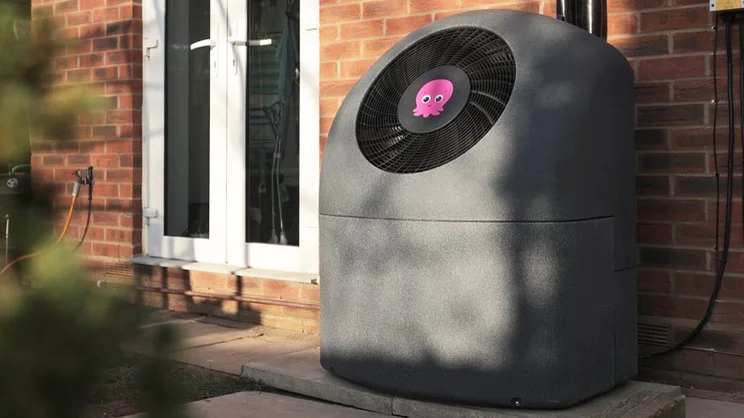
In recent times, Octopus Energy faced significant backlash due to the banning of their heat pump adverts. This article delves into the reasons behind the advert ban, the impact on consumers, and the broader implications for renewable energy campaigns.
What Happened with Octopus Energy?
Octopus Energy, a well-known provider of renewable energy solutions, launched an advertising campaign to promote heat pumps. These devices are essential for reducing carbon emissions and improving energy efficiency. However, regulatory bodies deemed some claims in the adverts misleading.
Key Points of the Ban:
- Misleading Claims: The adverts included statements that regulators considered exaggerated.
- Consumer Protection: Regulators aim to protect consumers from potentially misleading information.
- Renewable Goals: The incident has implications for the promotion of renewable technologies.
Why Are Heat Pumps Important?
Heat pumps play a crucial role in modern energy solutions. Here’s why they matter:
- Energy Efficiency: Heat pumps use electricity to move heat, making them more efficient than traditional heating methods.
- Carbon Reduction: They help reduce greenhouse gas emissions, supporting climate change goals.
- Cost Savings: Over time, heat pumps can lower energy bills and reliance on fossil fuels.
The Role of Advertising in Consumer Choices
Advertising plays a critical role in shaping consumer choices. It informs potential buyers about products, benefits, and savings. However, it’s essential for these adverts to present truthful and clear information. Misleading adverts can lead to mistrust in both the company and the green technology sector.
Consumer Trust Factors:
- Transparency: Honest communication builds trust.
- Clear Benefits: Advertisements should clearly articulate benefits without overstating.
- Regulatory Compliance: Following regulations ensures consumer protection and fair competition.
Octopus Energy’s Response
In light of the ban, Octopus Energy aims to address the concerns raised by regulators. They emphasize their commitment to transparency and sustainable energy. By revising their advertising strategy, they can align with regulations while continuing to educate consumers about heat pumps.
Measures Taken:
- Reassessing Claims: They are reviewing all claims made in advertisements.
- Enhanced Communication: More emphasis on clear and accurate information.
- Engaging Consumers: They plan to involve consumers in conversations about renewable energy.
Broader Implications for the Renewable Energy Sector
The incident with Octopus Energy signifies broader implications for the renewable energy sector. Here’s what it means for the future:
- Increased Scrutiny: Advertisements in the renewable sector will face tighter scrutiny.
- Need for Clarity: Companies must present concise and truthful information.
- Consumer Empowerment: Educated consumers can make better choices regarding energy solutions.
Moving Forward: Building Consumer Trust
To regain consumer trust, Octopus Energy and other companies must focus on building a foundation of truth and clarity. Here are ways to achieve this:
- Education Campaigns: Launch campaigns that educate consumers on the benefits and workings of heat pumps.
- Collaborations: Work with regulatory bodies to ensure compliance.
- Feedback Mechanisms: Create channels for consumers to voice their concerns and experiences.
Conclusion
The ban on Octopus Energy’s heat pump adverts raises essential questions about advertising practices in the renewable energy sector. While it aims to protect consumers, it also highlights the need for truthful communication. By focusing on transparency and education, companies can build consumer trust and foster a sustainable energy future.