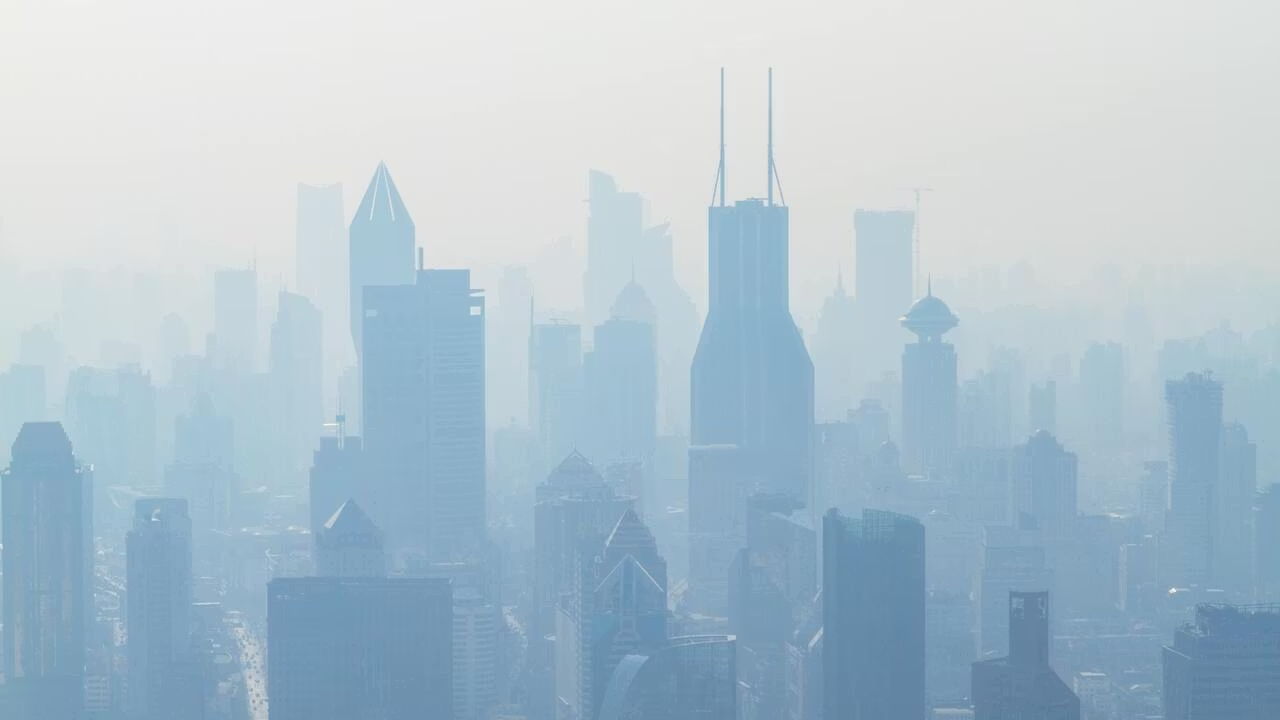
In today’s fast-paced world, urban air quality is a significant concern. Many cities face pollution, smog, and poor air quality due to rapid industrialization and increased vehicle use. As a result, the need for solutions to improve urban air has never been more crucial. This article explores the importance of urban air quality, its challenges, and innovative solutions to create cleaner environments.
Understanding Urban Air Quality
Urban air quality refers to the cleanliness and safety of air in city environments. Poor air quality can lead to various health issues, including respiratory problems and heart disease. Here are some key points to understand:
- Pollutants: Common pollutants include particulate matter (PM), nitrogen dioxide (NO2), and sulfur dioxide (SO2). These substances originate from vehicles, factories, and construction sites.
- Impact on Health: Poor air quality can cause allergies, asthma, and long-term health effects. Vulnerable groups, such as children and the elderly, are at higher risk.
- Economic Costs: Poor air quality can lead to increased healthcare costs and decreased productivity due to illness.
The Challenges of Urban Air Pollution
Cities face several challenges that contribute to poor air quality. Understanding these challenges is vital for developing effective solutions. Here are some of the main issues:
- Traffic Emissions: High vehicle density leads to significant emissions of harmful gases.
- Industrial Activities: Factories release pollutants into the air, contributing to smog.
- Construction Dust: Ongoing construction projects generate dust and debris that affect air quality.
- Geographical Factors: Some cities are located in valleys, trapping pollutants and worsening air quality.
Solutions for Improving Urban Air Quality
Despite these challenges, numerous solutions can help improve urban air quality. Here are some effective strategies cities can implement:
1. Promote Public Transportation
Encouraging public transportation reduces the number of vehicles on the road. This leads to fewer emissions and cleaner air. Benefits include:
- Reduced Traffic Congestion: Fewer cars mean less traffic.
- Lower Emissions: Public transport produces fewer emissions per passenger.
- Cost-Effective: Public systems can be more affordable for citizens.
2. Enhance Green Spaces
Planting trees and creating parks can significantly improve air quality. Green spaces absorb pollutants and produce oxygen. Key advantages include:
- Natural Filtration: Trees filter out harmful substances from the air.
- Community Well-being: Parks provide recreational spaces and improve mental health.
- Biodiversity: Green spaces support local wildlife.
3. Implement Air Quality Monitoring
Cities can use technology to monitor air quality in real-time. This helps identify pollution sources and formulate responses. Benefits of monitoring include:
- Data Collection: Accurate data helps in understanding pollution trends.
- Public Awareness: Citizens can be informed about air quality levels.
- Policy Development: Data-driven decisions lead to effective policies.
4. Promote Electric Vehicles
Transitioning to electric vehicles (EVs) can drastically reduce urban air pollution. Benefits of EVs include:
- Zero Emissions: EVs produce no tailpipe emissions.
- Lower Noise Pollution: Electric engines operate more quietly than combustion engines.
- Government Incentives: Many governments offer incentives for EV purchases.
5. Encourage Clean Energy Sources
Using renewable energy sources like solar and wind can reduce urban air pollution. Clean energy advantages include:
- Reduced Dependence on Fossil Fuels: Helps lower greenhouse gas emissions.
- Sustainable Development: Supports long-term energy sustainability.
- Job Creation: The renewable energy sector creates new job opportunities.
6. Educate the Public
Raising awareness about air quality issues is essential for community involvement. Education can lead to more responsible behaviors. Strategies include:
- Workshops and Seminars: Teach citizens about pollution and its effects.
- Community Programs: Engage locals in activities promoting clean air.
- Social Media Campaigns: Use online platforms to spread awareness.
Conclusion
Improving urban air quality is vital for the health and well-being of city dwellers. By understanding the challenges and implementing effective solutions, cities can create cleaner, healthier environments. Together, we can embrace urban air solutions for a brighter future.