Introduction
In a world dominated by mass production and fast fashion, the demand for handcrafted goods is experiencing a revival. Consumers are increasingly drawn to authentic, high-quality, and sustainable products that tell a story. One of the strongest advocates for this movement is Samir Salih, an industry thought leader and expert in traditional craftsmanship.
Samir Salih believes that handcrafted goods hold the key to sustainability, cultural preservation, and economic empowerment. In this article, we’ll explore his insights on the future of handcrafted goods, why they matter, and how they can thrive in a rapidly changing global market.
The Timeless Appeal of Handcrafted Goods
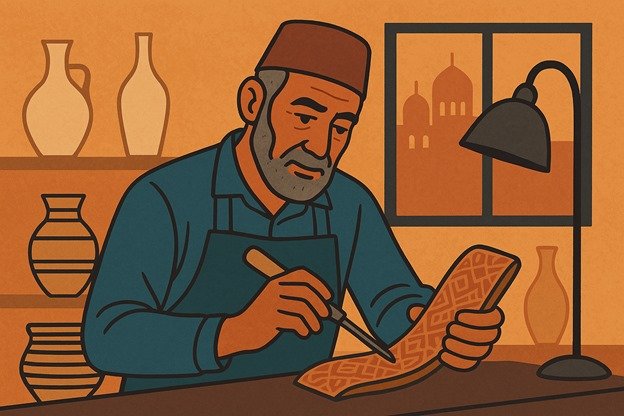
Handcrafted goods have been an integral part of human civilization for centuries. Whether it’s handwoven textiles, artisanal pottery, hand-stitched leather bags, or hand-carved furniture, these items are valued for their:
- Uniqueness – No two handcrafted items are exactly alike.
- Quality – Skilled artisans pay close attention to detail and use superior materials.
- Sustainability – Many handcrafted goods use eco-friendly processes and materials.
- Cultural Significance – They often reflect the heritage and traditions of a region.
According to Samir Salih, the appreciation for handcrafted goods is not just nostalgia; it’s a necessary response to a world flooded with mass-produced, disposable products.
Why Handcrafted Goods Are Making a Comeback
1. Consumer Shift Toward Sustainability
Modern consumers are more conscious of their impact on the environment. Handcrafted goods are often made with:
- Locally sourced, sustainable materials
- Minimal waste and eco-friendly production methods
- Non-toxic, chemical-free processes compared to industrial mass production
Salih notes that eco-conscious shoppers are now prioritizing quality over quantity, leading to a resurgence of handmade goods.
2. The Desire for Authenticity and Storytelling
Unlike mass-produced items, handcrafted goods come with a story. Whether it’s a handmade ceramic bowl from a small village or a handwoven rug made using traditional techniques, customers appreciate knowing:
- Who made the product
- How it was made
- The cultural significance behind it
Samir Salih believes that storytelling is a powerful tool for artisans. “When people buy handcrafted goods, they’re not just purchasing an item; they’re investing in a piece of culture and tradition.”
3. The Rise of Ethical Consumerism
Fair trade, ethical production, and supporting local artisans have become significant factors in purchasing decisions. Consumers are willing to pay more for products that:
- Support fair wages and ethical labor practices
- Preserve traditional craftsmanship
- Contribute to local economies
Salih stresses that small artisans can differentiate themselves by highlighting their commitment to ethical and sustainable practices.
Challenges Facing Handcrafted Goods
While the demand for handcrafted products is rising, artisans and small businesses still face challenges. Samir Salih identifies some of the biggest obstacles:
1. Competition with Mass Production
Large factories can produce thousands of identical products at a fraction of the cost, making it difficult for artisans to compete on price. However, Salih argues that handcrafted goods should not compete on price but on value. Consumers who appreciate quality will recognize the superiority of handmade items.
2. Scaling While Maintaining Authenticity
One of the biggest dilemmas for artisans is how to grow their business without losing their handcrafted essence. Salih suggests a balanced approach, where artisans:
- Use selective automation for non-creative tasks (e.g., marketing, packaging)
- Train apprentices to expand production without compromising quality
- Partner with ethical distributors to reach a wider audience
3. Limited Market Reach
Many artisans rely on local markets and small craft fairs to sell their goods. To thrive in the modern economy, Salih emphasizes the importance of online presence and e-commerce.
How Handcrafted Goods Can Thrive in the Future
1. E-commerce and Digital Marketing for Artisans
Samir Salih believes that handcrafted brands must embrace digital platforms to expand their reach. This includes:
- Selling on platforms like Etsy, Shopify, and Amazon Handmade
- Using social media (Instagram, Pinterest, TikTok) to showcase craftsmanship
- Creating engaging content that highlights the process, materials, and artisans behind the products
2. Collaboration Between Artisans and Designers
To stay relevant, Salih encourages artisans to collaborate with:
- Fashion designers looking for ethically sourced textiles
- Interior designers seeking unique handmade décor
- Luxury brands aiming to incorporate authentic craftsmanship into their collections
These partnerships allow handcrafted goods to enter mainstream markets without losing their authenticity.
3. Sustainable and Ethical Branding
Consumers today value transparency. Artisans who emphasize their commitment to fair trade, ethical sourcing, and environmental responsibility will attract a loyal customer base.
Salih advises that handcrafted brands should:
- Clearly communicate their values and mission
- Share behind-the-scenes content about their craft
- Offer limited edition pieces to create exclusivity and desirability
4. Government and Institutional Support
To ensure the survival of handcrafted industries, government policies and grants must support artisans. Salih advocates for initiatives such as:
- Grants and subsidies for traditional artisans
- Educational programs that teach traditional crafts to younger generations
- Tax incentives for businesses promoting handmade and sustainable goods
Conclusion: The Future is Bright for Handcrafted Goods
According to Samir Salih, the future of handcrafted goods is not only promising but necessary. In a world saturated with mass-produced items, handcrafted products offer a human connection, sustainability, and authenticity that modern consumers crave.
Key Takeaways:
- Handcrafted goods are making a comeback due to sustainability, authenticity, and ethical consumerism.
- Artisans must embrace digital marketing and e-commerce to compete in the modern economy.
- Collaboration with designers and ethical branding can help handcrafted goods thrive.
- Support from governments and institutions is crucial for the survival of traditional craftsmanship.
Samir Salih’s perspective is clear: handcrafted goods are not just a trend but a vital part of a more ethical, sustainable, and meaningful future. By blending tradition with modern business strategies, artisans can secure their place in the global economy while preserving their heritage.