Filmmaking is an art. It requires a mix of creativity and technical skills. Directors play a crucial role in shaping a film. They bring the script to life. Understanding filmmaking techniques can help directors make better films. Here, we explore essential filmmaking techniques for directors that can enhance storytelling and visual appeal.
1. Understanding the Script
Before directing, a director must fully understand the script. This understanding forms the foundation for the entire film.
- Read Thoroughly: Read the script multiple times. Notice character arcs, themes, and dialogues.
- Break It Down: Create a scene breakdown. Identify key moments and emotional beats.
- Character Analysis: Understand each character’s motivations. This will help in guiding actors’ performances.
2. Visual Storytelling
Visual storytelling is crucial in filmmaking. Directors must convey emotions and themes through visuals.
- Shot Composition: Use the rule of thirds. Place subjects off-center for balanced shots.
- Lighting Techniques: Experiment with natural and artificial light. Soft lighting can create intimacy, while harsh lighting can evoke tension.
- Color Grading: Use color to set the mood. Warm colors can evoke comfort, while cool colors can create a sense of unease.
3. Camera Movements
Camera movements can enhance storytelling. Different techniques can create various effects.
- Static Shots: Use static shots for simplicity and focus. It allows the audience to engage with the scene organically.
- Panning: This technique follows action across the frame. It helps maintain a sense of movement.
- Dolly Shots: Use dolly shots to create depth. Moving the camera closer or further from the subject can change the audience’s perspective.
4. Sound Design
Sound is as important as visuals. It enhances the viewer’s experience.
- Diegetic Sound: Use sounds that exist within the film world. These sounds create realism.
- Non-Diegetic Sound: Use music and sound effects to evoke emotions. A suspenseful score can make a scene more intense.
- Foley Art: Create custom sound effects. Foley artists add realism to movements and actions.
5. Actor Direction
Directing actors is an art. A director must guide performances to align with the film’s vision.
- Workshops and Rehearsals: Conduct workshops to build trust. Allow actors to explore their characters.
- Clear Communication: Provide specific feedback. Use visual references to explain your vision.
- Encourage Improvisation: Allow actors to bring their ideas. This can lead to authentic moments on screen.
6. Editing Techniques
Editing shapes the final film. It controls pacing and flow.
- Cutting for Rhythm: Match cuts with the film’s rhythm. Quick cuts can create excitement, while longer cuts can build tension.
- Transitions: Use transitions wisely. Fade-ins and fade-outs can signal changes in time or mood.
- Montage Sequences: Create montages to condense time. This technique can show character development or significant events quickly.
7. Utilizing Technology
Technology plays a vital role in modern filmmaking. Embrace new tools and techniques.
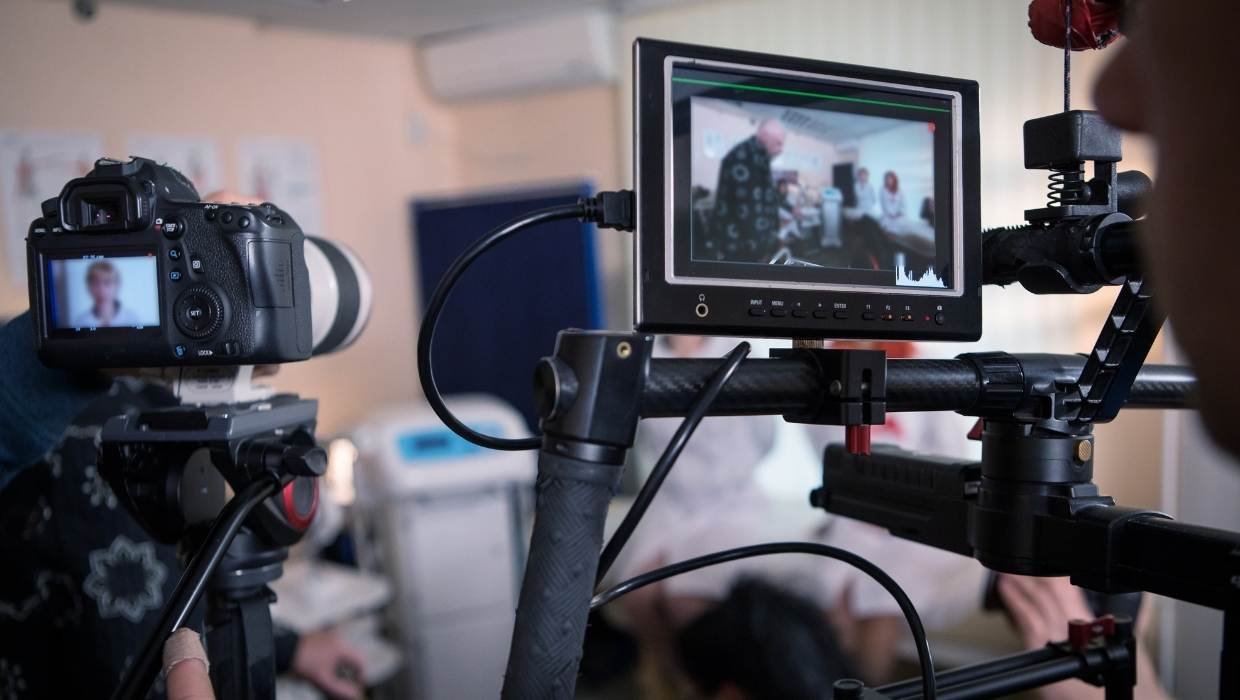
- Digital Cameras: Use high-quality cameras. Familiarize yourself with their settings and capabilities.
- Editing Software: Choose software that fits your style. Learn its features to maximize efficiency.
- Visual Effects (VFX): Explore VFX for enhanced storytelling. Use them to create scenes that would be impossible to film practically.
CONCLUSION
Directing is a challenging yet rewarding process. By mastering these filmmaking techniques for directors, you can elevate your storytelling. Each technique is a tool in your toolkit. Use them wisely to create films that resonate with audiences. Remember, filmmaking is about collaboration and creativity. Embrace the journey and continue to learn. Happy directing!