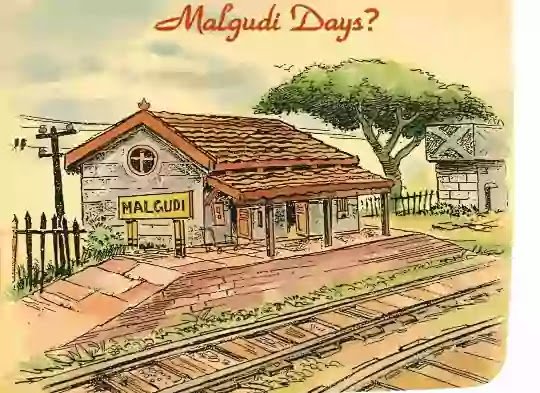
Malgudi Days is a celebrated collection of short stories by R.K. Narayan. Set in the fictional town of Malgudi, these tales capture the essence of Indian life. They are relatable and rich in humor, making them timeless. This article explores the key themes, characters, and cultural significance of Malgudi Days.
The Heart of Malgudi
Malgudi is more than just a backdrop. It represents the simplicity of life in India. The town is vibrant, with bustling markets, serene rivers, and friendly neighbors. Here are a few key elements that define Malgudi:
- Tradition: The stories reflect traditional Indian values and customs.
- Community: Characters often interact with one another, showcasing the importance of relationships.
- Nature: The landscape plays a significant role, influencing the characters’ lives.
Key Themes in Malgudi Days
R.K. Narayan beautifully weaves several themes throughout Malgudi Days. Here are some prominent ones:
- The Ordinary Life: The stories focus on everyday experiences. They highlight the beauty in mundane activities.
- Human Relationships: Friendships, family ties, and social connections are central. Narayan shows how these bonds shape lives.
- Struggle and Resilience: Characters often face challenges. Their determination to overcome obstacles resonates with readers.
- Social Issues: The stories subtly address issues like poverty, education, and the caste system.
Memorable Characters
Malgudi Days features a variety of characters, each with unique traits. Here are a few that stand out:
- Swami: A young boy who navigates childhood adventures and dilemmas.
- The Snake-Song Man: A wandering musician who represents the transient nature of life.
- Mr. Paley: A schoolmaster who faces the challenges of teaching in a changing society.
These characters embody the joys and struggles of life in Malgudi. Their stories resonate with readers of all ages.
Cultural Significance
Malgudi Days offers insights into Indian culture. The stories reflect societal norms and values. They also portray the changing landscape of India. Readers learn about:
- Festivals and Traditions: Celebrations play a vital role in community life.
- Rituals and Customs: Daily practices reveal the depth of cultural heritage.
- The Role of Education: Education is a recurring theme, emphasizing its importance in personal growth.
Impact on Literature
R.K. Narayan’s work has influenced many writers. His simple yet profound storytelling style set a benchmark in Indian English literature. Malgudi Days has been adapted into various forms, including:
- Television Series: The adaptation brought the stories to life for a new audience.
- Stage Plays: The narratives have also found a place in theater, showcasing their versatility.
Why Read Malgudi Days?
Malgudi Days is a must-read for several reasons:
- Relatable Stories: Readers find reflections of their own lives in the characters.
- Simple Language: The straightforward prose makes it accessible to all.
- Cultural Insights: The stories provide a glimpse into Indian traditions and values.
Conclusion
Malgudi Days remains a classic for its engaging stories and relatable characters. R.K. Narayan’s unique perspective on life in a small town captures the essence of Indian culture. Whether you are seeking entertainment or deeper understanding, Malgudi Days offers both.