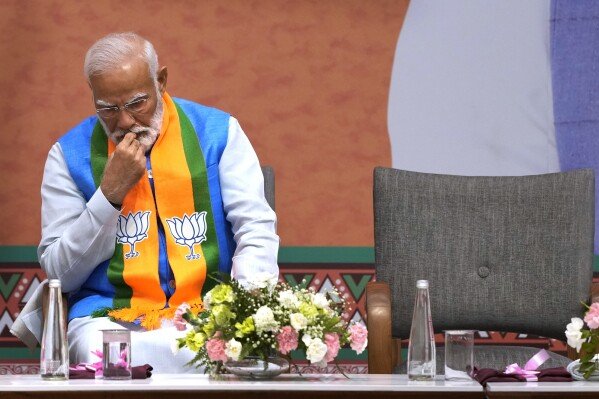
India is gearing up for its national elections in 2024. This event holds great importance for the country and its citizens. Understanding the elections can help voters make informed choices. In this article, we will explore what to expect in the upcoming elections, the key players involved, and how the electoral process works.
WHAT ARE THE NATIONAL ELECTIONS?
India’s national elections occur every five years. During this time, citizens vote for their representatives in the Lok Sabha, the lower house of Parliament. The party or coalition with a majority of seats forms the government. The elections impact policies, development, and the overall direction of the country.
Key Points:
- National elections happen every five years.
- Citizens vote for Lok Sabha members.
- The majority party forms the government.
SIGNIFICANCE OF THE 2024 ELECTIONS
The 2024 elections are crucial for several reasons:
- Political Landscape: The elections will shape India’s political future. Voters must decide whether to continue with the current government or choose a new direction.
- Economic Policies: The elected government will influence economic strategies. Issues like job creation, inflation, and foreign investment are on the table.
- Social Issues: Topics such as healthcare, education, and women’s rights will be pivotal during the elections.
- International Relations: The elected government will also determine India’s stance on global issues, including trade and diplomacy.
KEY PLAYERS IN THE ELECTIONS
Understanding the major political parties and their leaders is essential. Here are the key players to watch in the 2024 elections:
1. Bharatiya Janata Party (BJP)
- Leader: Narendra Modi (Prime Minister)
- Focus: Development, national security, and cultural nationalism.
2. Indian National Congress (INC)
- Leader: Rahul Gandhi
- Focus: Social welfare, economic equality, and inclusive development.
3. Aam Aadmi Party (AAP)
- Leader: Arvind Kejriwal
- Focus: Transparency, anti-corruption, and education reforms.
4. Regional Parties
- Parties like the Trinamool Congress (TMC), Dravida Munnetra Kazhagam (DMK), and others will also play crucial roles.
THE ELECTORAL PROCESS
The electoral process in India follows several steps:
- Voter Registration: Citizens must register to vote. The Election Commission of India oversees this process.
- Campaigning: Political parties campaign to gain support. They hold rallies, distribute pamphlets, and use social media to reach voters.
- Voting Day: Voting takes place at designated polling stations. Voters must show identification to cast their ballots.
- Counting Votes: After voting ends, officials count the votes. Results are usually announced within a few days.
- Formation of Government: The party with the majority of seats is invited to form the government.
VOTER PARTICIPATION
Voter turnout is crucial for a healthy democracy. Here are some ways to encourage participation:
- Awareness Campaigns: Educate citizens about the importance of voting.
- Accessibility: Ensure polling stations are accessible to all, including the elderly and disabled.
- Use of Technology: Implement online registration and information systems to assist voters.
- Engagement: Encourage discussions about policies and candidates to motivate citizens to vote.
CONCLUSION
As India approaches the national elections in 2024, the stakes are high. Citizens must stay informed and participate actively in the democratic process. Understanding the key players, the electoral process, and the significance of these elections will empower voters to make choices that shape the future of the country.
Let’s engage in discussions, ask questions, and ensure that every voice is heard in this critical time for India!