The term CAA has become a significant topic of discussion in recent years. In this article, we will explore the CAA full form in Hindi and its implications. Understanding this act is crucial, as it impacts many lives in India. Let’s dive into the details.
CAA FULL FORM IN HINDI
The CAA full form in Hindi is नागरिकता संशोधन अधिनियम (Nagrikta Sanshodhan Adhiniyam). This act was passed by the Indian Parliament in December 2019. It aims to provide a pathway to Indian citizenship for specific religious minorities from neighboring countries.
WHO DOES THE CAA APPLY TO?
The CAA specifically applies to individuals from three countries:
- Pakistan
- Bangladesh
- Afghanistan
These individuals must belong to the following religious communities:
- Hindus
- Sikhs
- Buddhists
- Jains
- Christians
- Zoroastrians (Parsis)
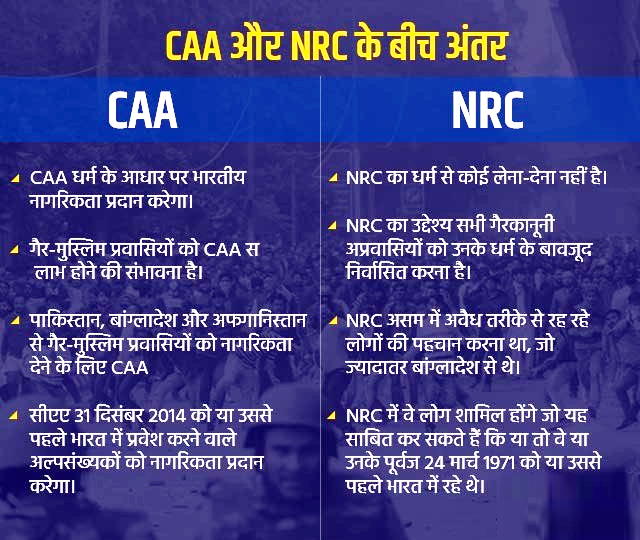
The act provides these communities a fast track to obtain Indian citizenship if they entered India before December 31, 2014.
KEY FEATURES OF THE CAA
To understand the CAA better, here are some of its key features:
- Eligibility Criteria: The act applies to non-Muslim refugees who fled religious persecution in the aforementioned countries.
- Cut-off Date: Only those who entered India on or before December 31, 2014, are eligible for citizenship under CAA.
- No Change for Muslims: The act does not provide citizenship benefits to Muslim refugees from the same countries.
- Fast Track Process: It simplifies the process for these communities to gain citizenship.
- Amendment to Citizenship Act: CAA amends the Citizenship Act of 1955 to include these provisions.
WHY WAS CAA INTRODUCED?
The introduction of the CAA was aimed at addressing the plight of religious minorities facing persecution in neighboring countries. Here are some reasons why the act was introduced:
- Humanitarian Grounds: It seeks to offer refuge to those who have faced severe religious discrimination.
- Historical Context: Many people from these communities have lived in India for decades, seeking safety and a better life.
- Political Intent: Critics argue that the act is politically motivated, aiming to consolidate Hindu votes.
CONTROVERSIES SURROUNDING CAA
The CAA has sparked significant debate and protests across India. Here are some of the controversies:
- Exclusion of Muslims: Many believe that the act discriminates against Muslims, violating the secular fabric of India.
- Link to NRC: The National Register of Citizens (NRC) has raised concerns about the potential for statelessness among Muslims.
- Protests and Violence: The act has led to widespread protests, some of which turned violent, resulting in loss of lives and property.
CONCLUSION
The CAA full form in Hindi is नागरिकता संशोधन अधिनियम. While it aims to provide citizenship to persecuted minorities, it has also raised questions about equality and secularism in India. Understanding the CAA is essential for informed discussions about citizenship, rights, and humanity.
FAQs ABOUT CAA
Here are some frequently asked questions regarding the CAA:
- Is CAA applicable to all refugees?
- No, it only applies to specific religious minorities from Pakistan, Bangladesh, and Afghanistan.
- What is the significance of the cut-off date?
- The cut-off date of December 31, 2014, determines eligibility for citizenship under CAA.
- How does CAA affect Indian Muslims?
- CAA does not provide any benefits to Muslims, leading to allegations of discrimination.
- What are the concerns regarding the NRC?
- The NRC could potentially leave many individuals, especially Muslims, stateless if they cannot prove their citizenship.
- Why is CAA considered controversial?
- It is seen as discriminatory and against the secular principles of the Indian Constitution.
By understanding the CAA full form in Hindi and its implications, we can engage in informed discussions about citizenship and rights in India.